Security Benchmarks Unlocking Tailored Mobile Incentives Across Live Table Entries and Flexible Transaction Options
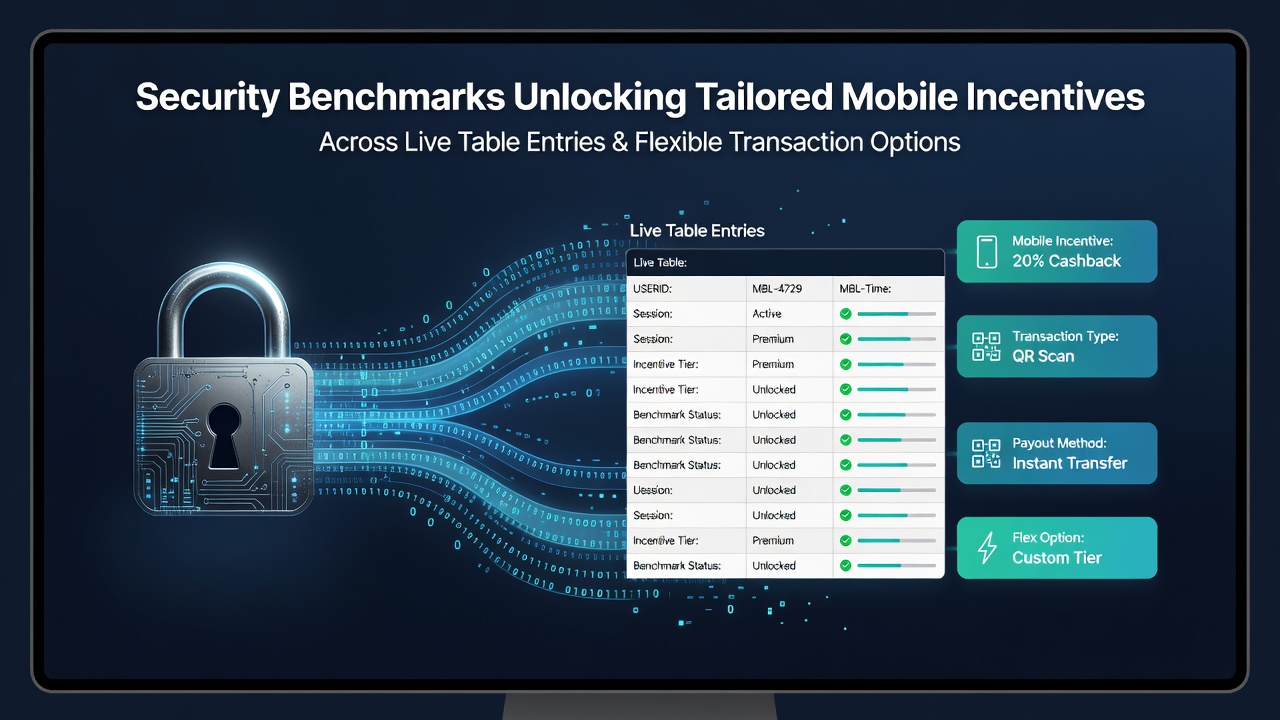
Security benchmarks in digital gaming platforms have evolved into structured frameworks that connect verified protection layers with customized reward systems for users accessing live dealer tables through mobile devices, and data from industry assessments in early 2026 shows these standards now influence how operators structure welcome offers alongside transaction flexibility. Observers note that platforms meeting elevated encryption and authentication thresholds gain the ability to deploy dynamic incentives such as personalized bonus multipliers tied directly to live table participation metrics, while maintaining compliance across multiple payment channels.
Defining Security Benchmarks in Mobile Gaming Contexts
Security benchmarks typically encompass protocols for data encryption, multi-factor authentication, real-time fraud detection, and regular third-party audits that together create measurable thresholds for operator compliance, and researchers have documented how these elements allow systems to segment user access based on verified risk profiles. In practice this means a mobile user who completes enhanced identity verification steps can unlock tiered incentives that adjust in real time according to activity at live tables, whereas standard accounts receive baseline offers without the same customization depth. Figures from regulatory filings indicate that by June 2026 several jurisdictions had updated their minimum security criteria to include continuous monitoring of transaction velocity, which in turn supports more granular reward allocation without compromising platform integrity.
Connecting Benchmarks to Tailored Mobile Incentives
Operators integrate these benchmarks into backend systems that track live table engagement patterns and then map them against incentive eligibility rules, creating pathways where higher security compliance scores translate into offers like exclusive seat reservations or accelerated loyalty point accrual during specific game sessions. Data indicates that when platforms apply aggregated assessment scores from independent evaluators, they can differentiate reward structures by region and device type while keeping transaction options varied between instant bank transfers, digital wallets, and prepaid methods. Those who have studied implementation patterns report that this linkage reduces unauthorized access incidents and simultaneously increases the precision of promotional targeting across portable platforms.
Live Table Entries Enabled by Verified Security Layers
Live dealer environments on mobile require low-latency connections paired with robust session security, and benchmarks that certify these capabilities allow operators to extend entry to users who meet defined protection standards, often unlocking incentives such as table-specific cashback or priority queue access. Evidence from operational reports shows that platforms incorporating continuous authentication protocols can offer flexible participation windows where users switch between multiple live games without resetting verification sequences, and this fluidity supports tailored rewards that scale with session duration and wager volume. In June 2026 updates to assessment criteria emphasized cross-device consistency, enabling smoother transitions from desktop previews to mobile live entries while preserving incentive eligibility.
Flexible Transaction Options Tied to Security Compliance
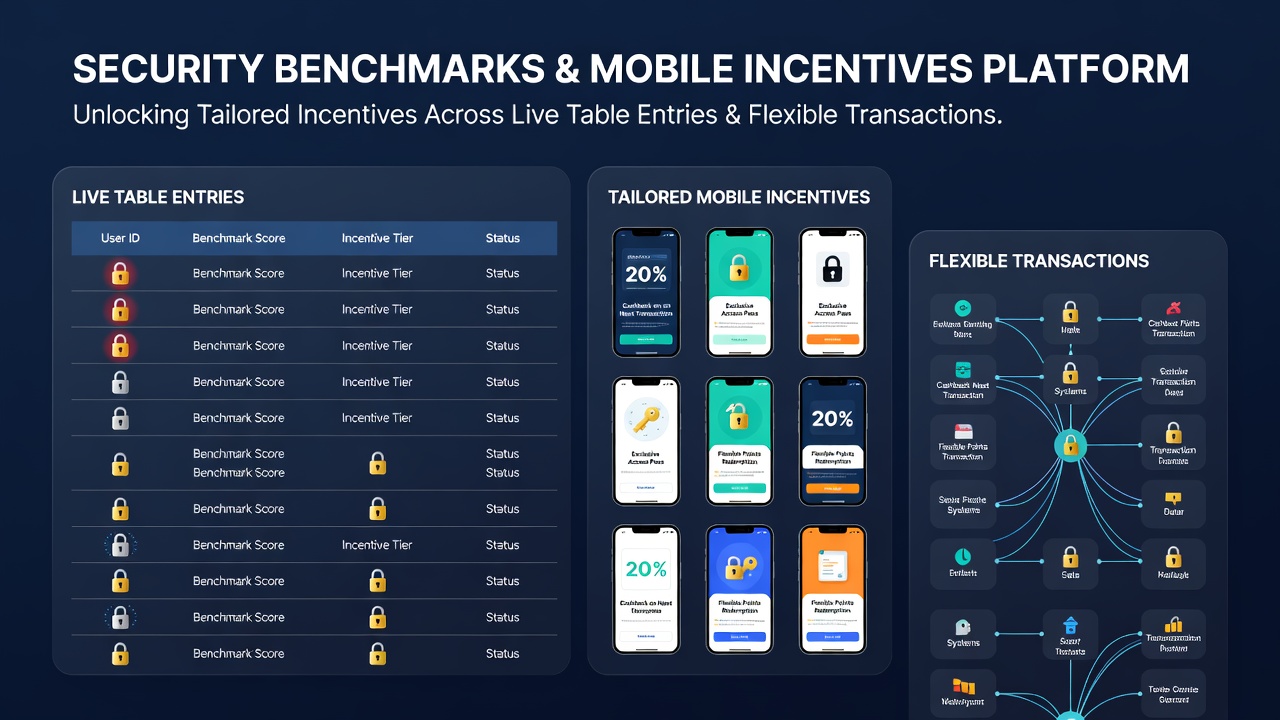
Transaction flexibility expands when security benchmarks validate multiple payment rails simultaneously, allowing operators to present users with choices that align with their verified profiles and reward histories, and studies from industry research groups reveal that platforms meeting these standards process higher volumes of varied payment types without elevated dispute rates. Users who satisfy benchmark thresholds often receive incentives such as fee waivers on specific methods or bonus eligibility tied to first-time use of new transaction channels, creating a feedback loop where security adherence directly influences financial interaction variety. According to findings from the American Gaming Association, aggregated compliance data supports the development of reward programs that adapt transaction limits based on real-time security scoring rather than fixed account tiers.
Case Examples from Operational Deployments
One operator group that aligned its mobile infrastructure with updated benchmark sets in 2025 reported expanded access to live roulette and blackjack tables for users completing layered verification, accompanied by incentives that adjusted automatically according to transaction history across approved channels. Another implementation tracked in regulatory summaries demonstrated how flexible withdrawal scheduling became available to accounts meeting continuous monitoring criteria, resulting in reward structures that included time-sensitive bonuses linked to live table milestones. These deployments illustrate the practical outcome of benchmark-driven systems where security metrics serve as gateways rather than barriers to personalized engagement features.
Regulatory and Industry Alignment Trends
Multiple oversight bodies have incorporated security benchmark references into licensing conditions, and the New Jersey Division of Gaming Enforcement published guidance in 2026 that ties compliance verification to the scope of permissible mobile incentives and transaction configurations. Industry associations continue to publish comparative assessments that help operators identify which benchmark elements most effectively support tailored reward delivery across live dealer formats, and observers note that this alignment encourages broader adoption of standardized protection measures while preserving operational flexibility in payment processing.
Conclusion
Security benchmarks function as foundational connectors between protection protocols and the delivery of customized mobile incentives for live table participation and varied transaction methods, with documented implementations showing measurable effects on user access patterns and reward precision through 2026. As assessment frameworks continue to incorporate real-time monitoring and cross-platform validation, the linkage between verified security status and incentive eligibility remains a central mechanism for platform development in mobile gaming environments.