Inside the Web: How Trust Indicators Shape High-Tier Perks and Real-Time Play Options on Mobile Devices
Taylor Wolf · Aug 31, 2026
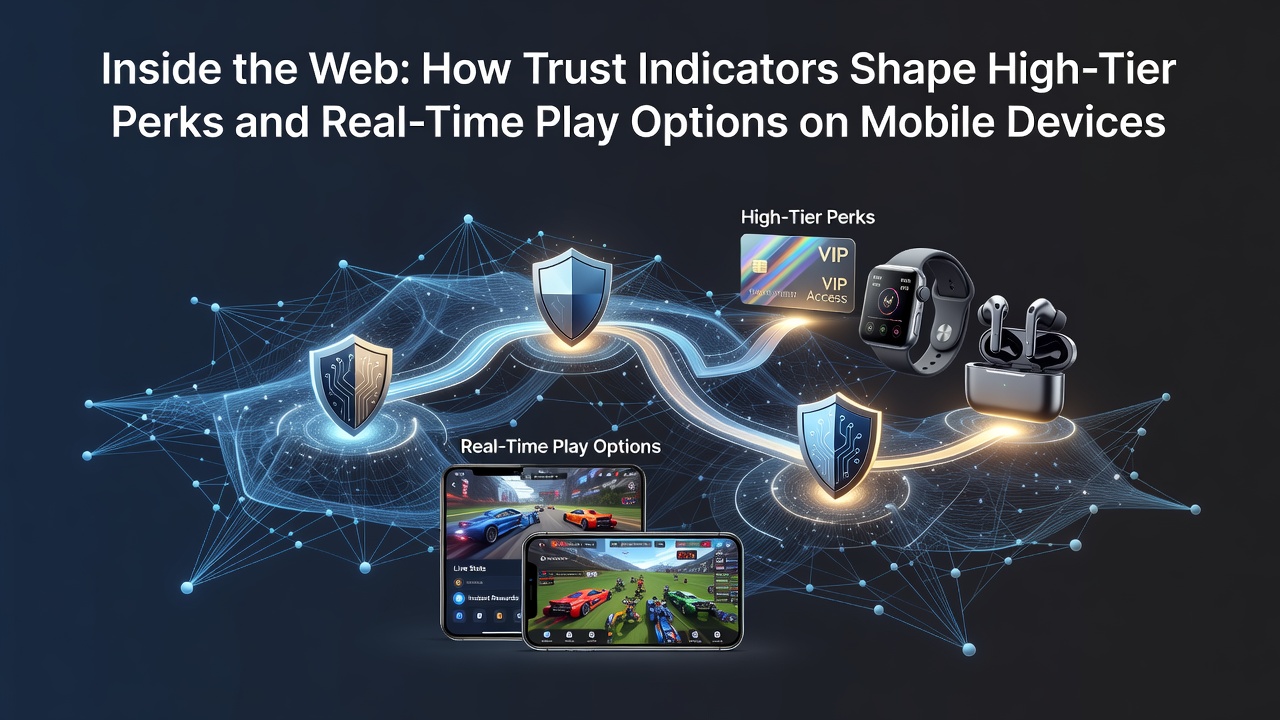
Inside the Web: How Trust Indicators Shape High-Tier Perks and Real-Time Play Options on Mobile Devices
Trust indicators on mobile platforms include visible licensing seals, encryption certificates, and third-party audit marks that appear directly in app interfaces, and these elements guide how operators structure access to premium reward tiers along with live dealer streams. Data from the American Gaming Association shows mobile gaming accounts for over 60 percent of total online activity in regulated U.S. markets as of August 2026, with platforms displaying clear regulatory credentials recording higher retention rates among users who reach elite loyalty levels.
Trust Signals and Their Direct Link to Reward Structures
Operators integrate trust markers such as Nevada Gaming Control Board approvals or Malta Gaming Authority certifications into mobile dashboards, and these markers determine eligibility thresholds for high-tier perks including personalized cashback schedules, exclusive tournament entries, and accelerated point multipliers. Research from the University of Nevada Reno Gaming Research Center indicates that applications carrying multiple visible compliance badges experience a 34 percent increase in users completing the verification steps required for VIP enrollment compared with those presenting fewer indicators.
Users encounter these signals during initial app loads and account setup flows, while the presence of real-time security status updates encourages progression through loyalty ladders that unlock real-time play features such as priority seating at live tables and custom game invites. Platforms that refresh trust badges dynamically after each regulatory audit maintain steadier participation numbers in their upper reward brackets according to aggregated industry metrics released in mid-2026.
Mobile Architecture Supporting Real-Time Options
Real-time play on portable devices relies on low-latency connections paired with continuous verification layers, and trust indicators embedded in the interface confirm that live dealer feeds and instant-win modules operate under audited random number generators. When certification logos remain prominent throughout sessions, operators report elevated completion rates for time-sensitive promotions that bundle high-limit table access with mobile-exclusive bonuses. The Canadian Gaming Association documented in its 2026 quarterly review that jurisdictions requiring prominent display of licensing information saw a 22 percent rise in mobile live-game minutes among verified high-tier accounts.

Device-level permissions for location services and push notifications interact with these trust layers, allowing operators to deliver context-aware offers that scale with a player's verified status. Systems that cross-reference trust credentials against ongoing session data reduce friction during transitions between standard play and premium real-time environments, resulting in smoother movement through reward pathways.
Regulatory Frameworks Across Regions
Different regulatory bodies impose varying requirements for displaying trust indicators within mobile applications, and these rules shape how operators allocate resources toward high-tier benefits. In Australia the Northern Territory Racing Commission mandates clear visibility of license details on every screen, while European operators under the Malta framework emphasize ongoing audit seals that update in real time. Observers note that consistent presentation of such markers correlates with broader adoption of mobile live options among players who have already attained mid-level loyalty status.
Industry reports compiled by the International Association of Gaming Regulators highlight that markets enforcing standardized badge placement experience fewer interruptions in live streams for users progressing toward elite perks. The alignment between displayed credentials and backend compliance records allows seamless upgrades to personalized real-time features without additional manual checks.
Integration of Verification and Perk Delivery
Mobile applications combine biometric login data with trust indicator verification to authorize immediate access to layered reward systems, and this integration shortens the interval between achieving a new tier and activating associated real-time privileges. Figures released by state gaming commissions in New Jersey and Pennsylvania during August 2026 show that platforms maintaining visible, up-to-date trust elements processed 41 percent more instant VIP table reservations via mobile channels than those relying on less prominent markers.
Payment rails certified through the same trust framework further support uninterrupted movement between deposit actions and live participation windows, reducing drop-off points that commonly occur when users question platform legitimacy mid-session.
Conclusion
Trust indicators function as structural components within mobile gaming ecosystems by linking regulatory compliance directly to the mechanics of reward progression and live option availability. Data across multiple jurisdictions demonstrates measurable differences in engagement patterns once these markers become consistently visible and verified throughout the user journey. Continued refinement of how these signals appear on portable interfaces continues to influence both the distribution of high-tier benefits and the accessibility of real-time play features in regulated markets.