How Safety Data Shapes Mobile VIP Pathways to Live Tables and Protected Bonus Offers
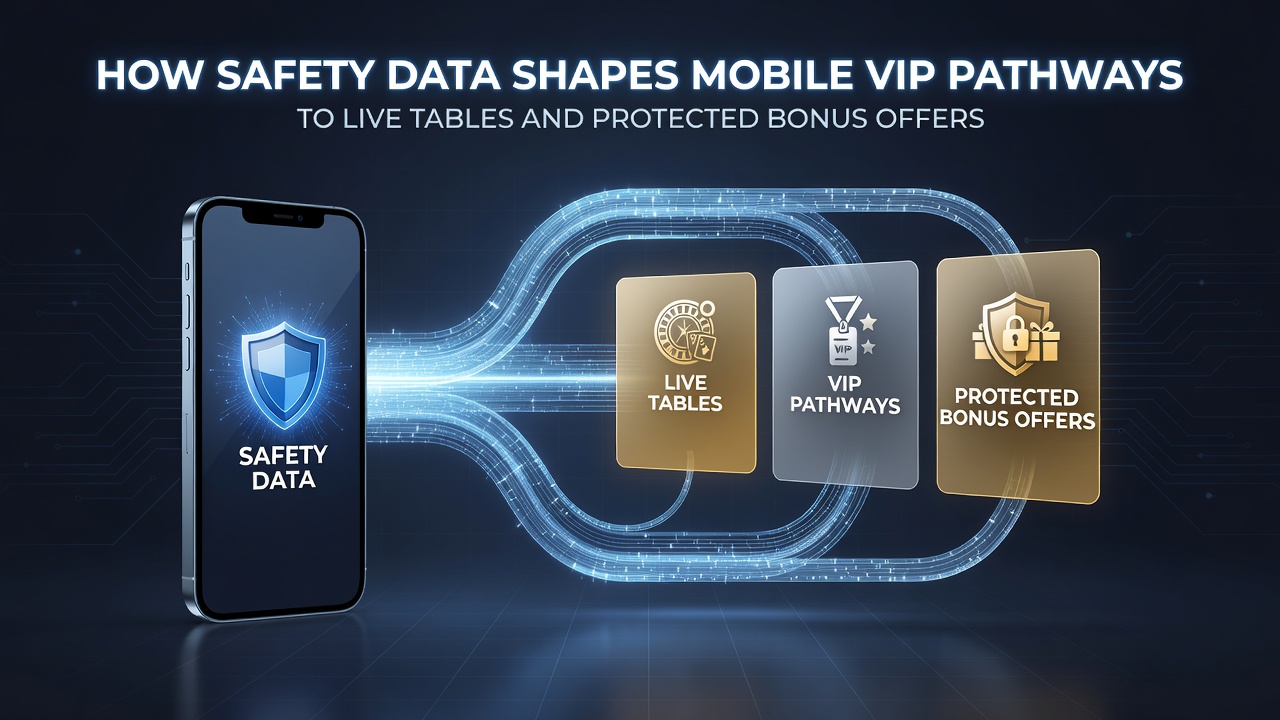
Data collected through mobile platforms now determines who receives elevated status in gaming environments, and operators rely on aggregated safety indicators to open routes toward live dealer tables while shielding bonus allocations from exploitation. Patterns in login frequency, transaction velocity, and device consistency feed into algorithms that calculate risk scores, and these scores directly affect whether accounts transition into VIP tiers with access to real-time table games.
Core Components of Safety Data Systems
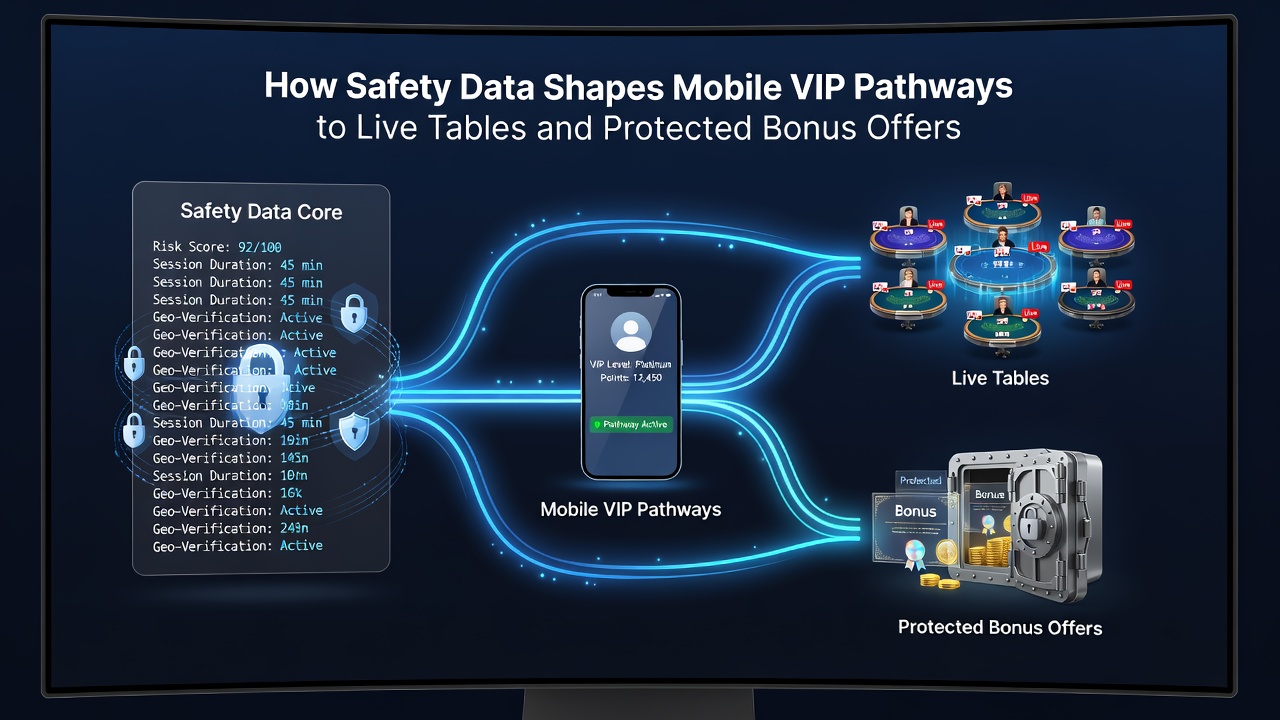
Operators compile information from multiple sources including geolocation verification, payment history, and behavioral signals such as session duration plus bet sizing consistency. Regulatory frameworks in jurisdictions like those overseen by the Nevada Gaming Control Board require documented audit trails for these datasets, which creates standardized protocols that platforms must follow when granting elevated privileges. Research from academic centers focused on digital risk management shows that integrated scoring models reduce unauthorized access attempts by correlating device fingerprinting with account activity over time.
Systems flag anomalies such as rapid location shifts or mismatched payment methods, and platforms respond by applying temporary holds or additional verification layers before advancing any player toward premium features. This process operates continuously rather than at single checkpoints, so pathways adjust dynamically based on fresh inputs.
Routing VIP Status to Live Table Access
Once safety thresholds are cleared, mobile users enter consideration for live dealer environments where real-time interaction requires stable identity confirmation. Data thresholds often include minimum deposit consistency over several months alongside clean dispute records, and those who meet the criteria receive direct links to private tables with higher betting limits. Observers note that platforms segment access further by analyzing interaction quality, such as chat behavior and response timing, to maintain table integrity.
Live table entry frequently bundles with layered authentication that rechecks safety metrics mid-session, ensuring ongoing compliance. Reports compiled through industry associations indicate that such continuous monitoring correlates with fewer interruptions in high-stakes mobile sessions across multiple markets.
Securing Bonus Structures via Safety Metrics
Bonus offers receive protection through the same datasets that govern table access, with algorithms evaluating eligibility by cross-referencing play patterns against predefined safety benchmarks. Platforms limit bonus activation for accounts showing irregular funding sources or excessive withdrawal requests, which prevents misuse while allowing verified users to claim offers tied to live play volume. Data from regulatory filings in regions monitored by the New Jersey Division of Gaming Enforcement demonstrates that these controls have stabilized bonus payout ratios in mobile channels during recent reporting periods.
Protected bonuses often incorporate time-bound conditions that tie directly to verified activity levels, and operators update these parameters monthly based on aggregated safety reports. This linkage ensures that promotional value reaches accounts with established trust profiles rather than transient ones.
Developments Observed Through Mid-2026
By June 2026 regulatory emphasis on data portability had prompted several operators to adopt unified safety dashboards that feed into both VIP routing and bonus allocation simultaneously. These dashboards aggregate inputs across jurisdictions and allow real-time adjustments when new risk signals emerge from global transaction networks. Industry reports highlight that platforms implementing such unified systems recorded measurable declines in bonus-related disputes while expanding live table participation among qualified mobile users.
Cross-platform data sharing agreements have also expanded, enabling operators to reference safety histories from prior engagements when assessing new VIP candidates. This practice shortens approval timelines for established players yet maintains rigorous checks against emerging threat vectors.
Conclusion
Safety data functions as the central mechanism that aligns mobile access privileges with live table participation and guarded bonus distribution, and its influence continues to expand through refined analytics and regulatory alignment. Operators that maintain transparent data practices while meeting jurisdiction-specific standards position their platforms to deliver consistent pathways without compromising operational safeguards. The integration of these elements reflects ongoing adaptation to evolving digital environments where verification remains foundational to premium gaming features.