Examining Links Among Safety Standards, Mobile Transactions, and Loyalty Tiers in Live Dealer Gaming
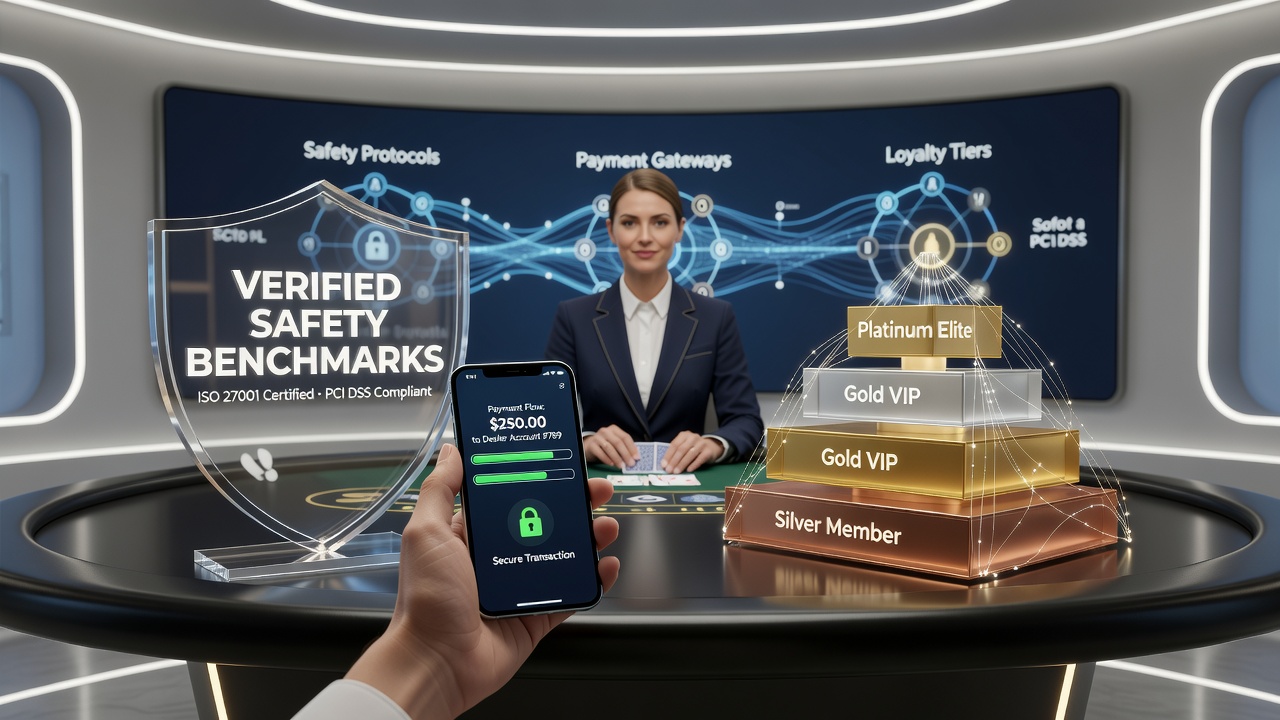
Live dealer environments continue to evolve as operators integrate verified safety benchmarks with streamlined mobile payment flows and tiered loyalty structures, creating interconnected systems that support player engagement across portable platforms. Data from regulatory filings in multiple jurisdictions shows these elements often operate in tandem, where certification standards influence transaction security protocols and determine access levels within reward programs. Observers note that platforms achieving higher compliance ratings frequently enable faster processing for verified users while unlocking progressive benefits tied to activity volume.
Verified Safety Benchmarks in Live Dealer Settings
Independent testing agencies evaluate live dealer platforms against established criteria that cover game fairness, data encryption, and operational transparency, with assessments conducted on a recurring basis throughout the year. Research indicates that certifications from bodies such as the Gaming Laboratories International often serve as foundational requirements before operators can introduce mobile-optimized tables or advanced payment integrations. Those who've studied compliance patterns observe that benchmarks related to random number generation and dealer authentication directly affect how quickly new features receive approval in regulated markets.
July 2026 regulatory summaries from several North American and European oversight entities highlighted incremental updates to testing protocols, particularly around real-time monitoring of live streams and multi-factor authentication layers. These adjustments coincide with broader adoption of portable access points, where platforms must demonstrate sustained adherence to maintain operational licenses. Experts have observed that operators investing in third-party audits tend to report lower incident rates in transaction disputes, according to aggregated industry reports.
Mobile Payment Flows and Their Integration Points
Payment infrastructure in live dealer environments has shifted toward instant verification methods that align with mobile device capabilities, including e-wallet linkages and tokenized card processing that reduce exposure during transfers. Figures reveal that platforms utilizing these flows experience higher completion rates for deposits made during active table sessions, particularly when combined with biometric confirmation steps. What's interesting is how security certifications often dictate the speed and limits applied to these transactions, creating direct ties between benchmark scores and available funding options.

Operators in jurisdictions overseen by entities like the Alcohol and Gaming Commission of Ontario have documented cases where enhanced payment rails were rolled out only after meeting elevated encryption thresholds. Data shows that users progressing through initial verification stages gain access to expedited withdrawal pathways, which in turn supports continued participation at live tables. Researchers discovered that seamless mobile flows correlate with extended session durations when paired with loyalty tracking mechanisms that log activity in real time.
Tiered Loyalty Structures and Their Dependencies
Loyalty programs in live dealer settings typically organize participants into ascending levels based on cumulative play metrics, with each tier granting differentiated access to table limits, promotional credits, and dedicated support channels. Studies found that progression criteria frequently incorporate safety-related metrics such as account verification status and transaction history compliance, effectively linking reward eligibility to platform security standards. Those monitoring program designs note that higher tiers often require demonstrated use of approved mobile payment methods to unlock premium features like priority seating at exclusive dealer tables.
Analyses of operational data from mid-2026 indicate that tiered systems incorporating payment flow requirements tend to show stronger retention patterns among verified users. Platforms align these structures with benchmark achievements to ensure that loyalty benefits remain available only through channels meeting regulatory thresholds. There's this case where experts found integrated dashboards displaying both loyalty progress and safety certification badges side by side, allowing participants to track advancement while confirming transaction security at each step.
Interconnections Across the Three Elements
Connections emerge when safety benchmarks establish the foundation for payment processing approvals, which then feed into loyalty tier calculations through tracked activity data. Evidence suggests that operators maintaining consistent certification levels can offer accelerated mobile transaction limits to users who have reached mid-tier status, creating a feedback loop where verified play supports further reward accumulation. The American Gaming Association has compiled summaries showing these linkages appear more pronounced in markets emphasizing portable live dealer access.
Observers note that disruptions in any one area, such as temporary certification lapses or payment verification delays, can affect progression within loyalty frameworks until resolved. Data indicates coordinated system updates in July 2026 addressed several integration points, allowing smoother transitions between safety checks, funding steps, and reward redemptions during live sessions. Researchers continue to examine how these alignments influence overall platform stability across different regulatory landscapes.
Conclusion
Patterns across live dealer environments demonstrate measurable ties between verified safety benchmarks, mobile payment flows, and tiered loyalty structures, with each component influencing operational parameters in connected ways. Regulatory updates and industry assessments from 2026 provide ongoing data points that highlight these relationships without prescribing specific implementations. Continued monitoring of compliance records and transaction metrics offers further insight into how platforms maintain these linkages over time.