Charting Secure Pathways in Digital Playgrounds: Tracing How Aggregated Assessments Connect Bonus Structures with Mobile Access and Layered Protection Protocols
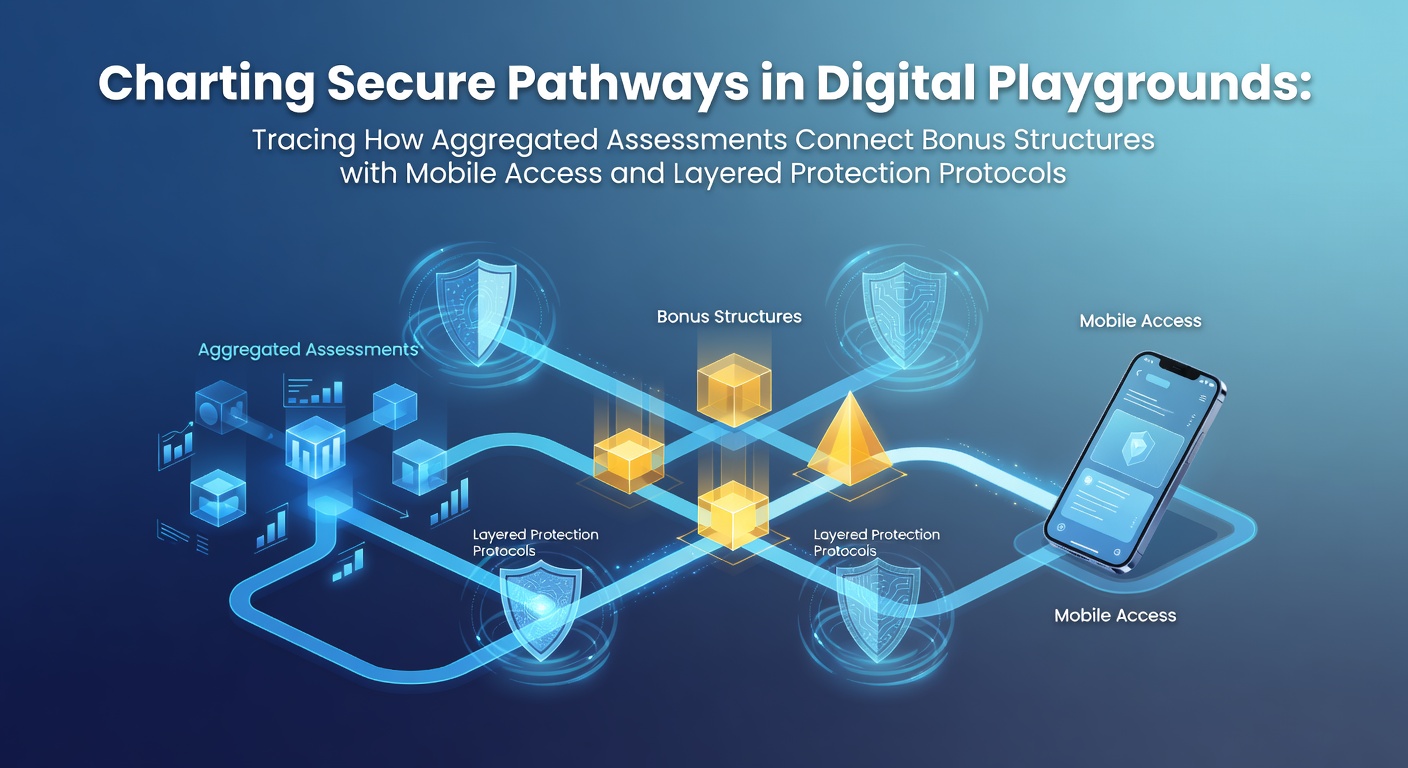
Digital playgrounds in online gaming continue to expand their reach in 2026, and aggregated assessments now serve as the central mechanism that links bonus structures directly to mobile access points while enforcing layered protection protocols across platforms. These assessments compile data from multiple verification layers including identity checks, behavioral patterns, and transaction histories, which then determine eligibility for promotional rewards while maintaining secure entry through mobile applications and devices.
Understanding Aggregated Assessments in Gaming Systems
Operators collect and combine information from various sources to create comprehensive player profiles that guide access decisions. Research from academic institutions such as the University of Nevada shows how these aggregated evaluations incorporate real-time monitoring of login locations, device fingerprints, and spending velocity to flag potential issues before they escalate. This process connects seamlessly with bonus allocations because platforms only release promotional credits after an assessment confirms that the user meets security thresholds for mobile engagement.
Assessments also track cumulative activity across sessions so that bonus structures reflect verified patterns rather than isolated events. In May 2026 several major operators updated their evaluation algorithms to include additional biometric signals from mobile devices, which tightened the connection between reward distribution and ongoing protection measures.
Linking Assessments to Bonus Structures
Bonus frameworks depend on assessment outcomes to prevent unauthorized claims while encouraging legitimate mobile participation. Data from the American Gaming Association indicates that platforms using aggregated scoring systems reduced bonus abuse incidents by integrating device authentication directly into reward triggers. Players receive tiered offers only after passing sequential checks that evaluate both historical compliance and current mobile session integrity.
These connections operate through automated workflows that pause bonus activation until protection protocols confirm safe access routes. Observers note that this approach allows operators to scale promotions without compromising the underlying security architecture that governs mobile entry points.
Mobile Access and Its Integration with Protection Layers
Mobile platforms function as primary gateways in modern gaming environments, and layered protocols ensure that access remains controlled through multiple verification stages. Aggregated assessments feed into these layers by supplying risk scores that determine whether a user proceeds to full app functionality or encounters additional safeguards such as temporary transaction limits. According to reports from the New Jersey Division of Gaming Enforcement, mobile-specific protocols now incorporate geolocation cross-checks that align with assessment data to maintain consistent security across regions.
Layered Protection Protocols and Their Operational Flow
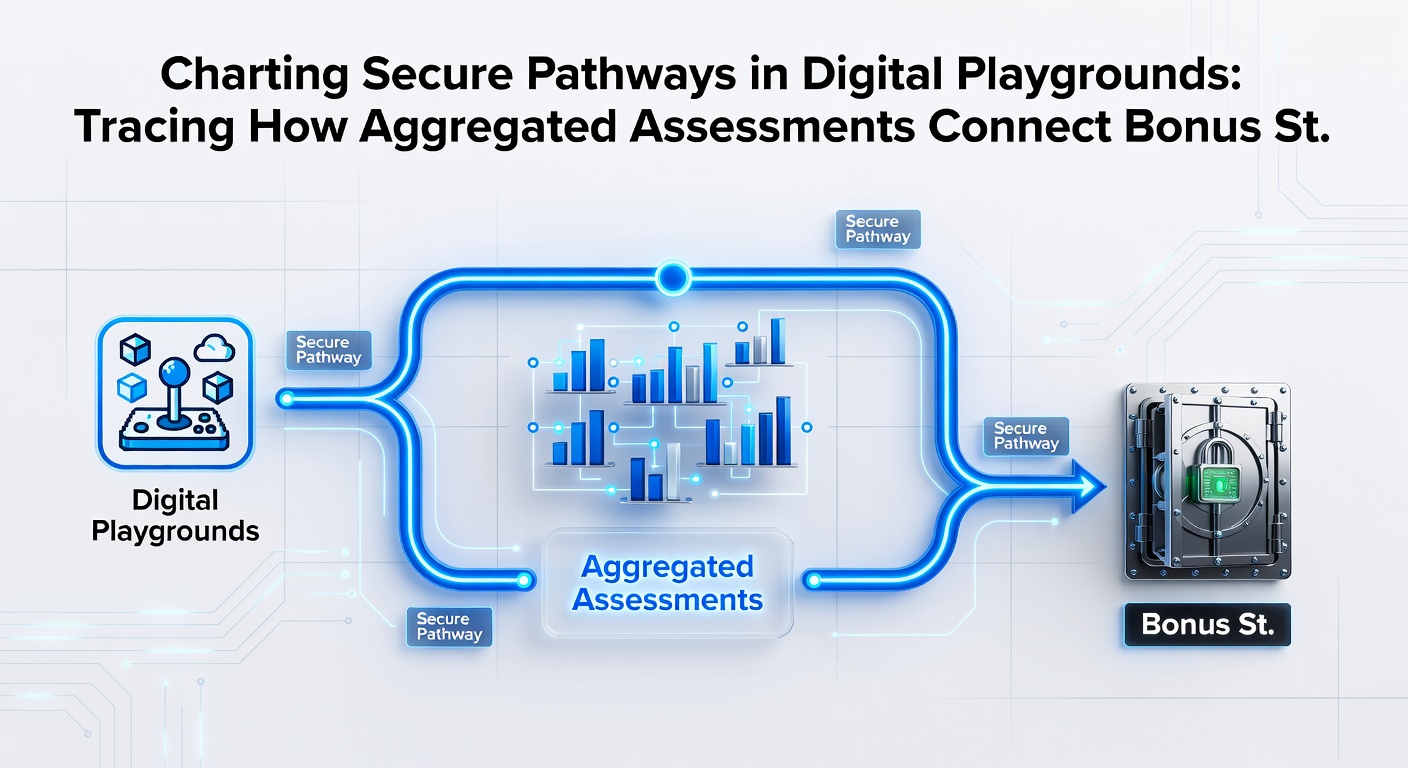
Protection systems build upon one another so that each layer reinforces the previous assessment results. Initial device registration combines with ongoing behavioral analysis to create a continuous verification loop that directly influences bonus availability on mobile interfaces. Experts from Canadian regulatory bodies have documented how these stacked measures reduce unauthorized access attempts while preserving smooth navigation for approved users.
The flow begins with basic account validation, moves through aggregated risk scoring, and culminates in dynamic protocol adjustments that respond to real-time mobile signals. This structure ensures that bonus structures remain tied to secure pathways rather than operating independently of protection requirements.
Current Developments in May 2026
During May 2026 industry participants observed increased adoption of unified assessment dashboards that display connections between bonuses, mobile access, and protection layers in a single view. These dashboards allow operators to adjust parameters quickly when aggregated data reveals emerging patterns in user behavior or device usage. Regulatory updates in several jurisdictions further emphasized the need for transparent reporting on how assessments influence both promotional mechanics and security enforcement.
Conclusion
Aggregated assessments now form the backbone that unifies bonus structures, mobile access controls, and layered protection protocols within digital gaming environments. As platforms continue refining these connections through data-driven adjustments, the overall architecture supports secure participation while managing promotional incentives effectively. Continued monitoring by regulatory and research entities will shape how these elements evolve in subsequent periods.