Blueprints of Reliability: How Protection Ratings Influence Portable VIP Structures and Game Selections
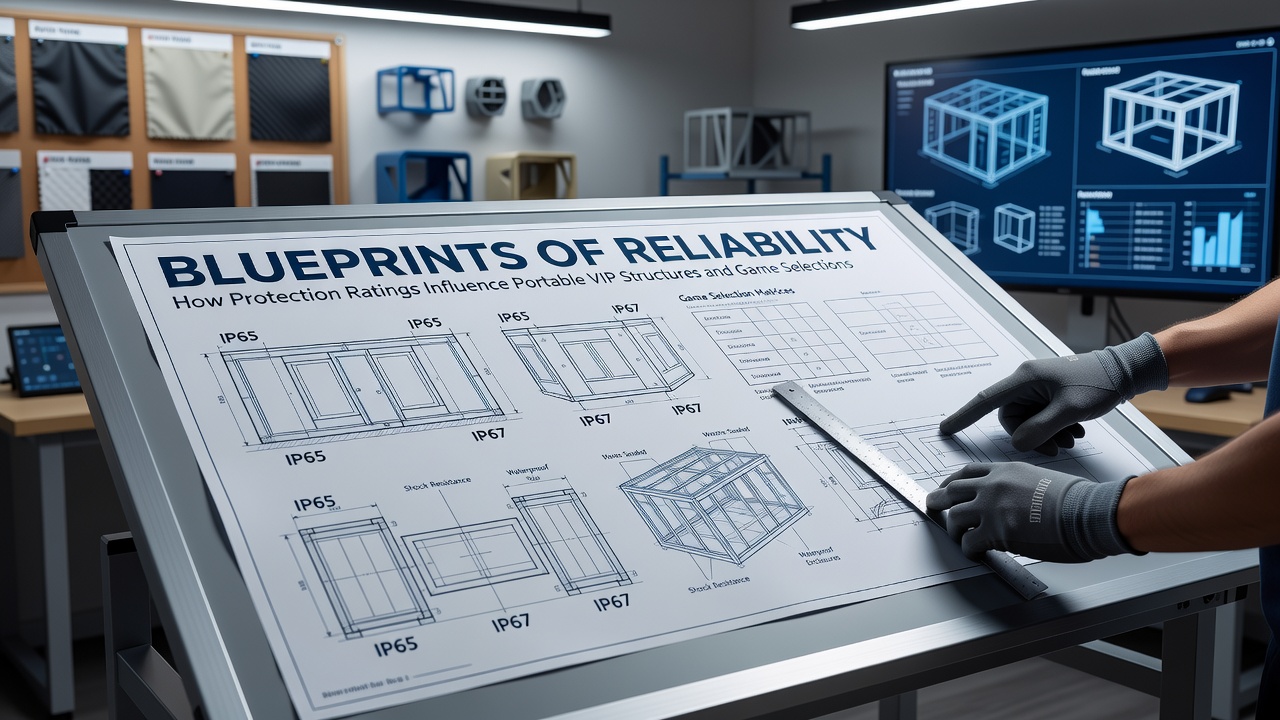
Protection ratings define how portable VIP structures withstand environmental stresses while maintaining secure access to gaming environments, and operators apply these standards when designing mobile platforms that serve high-value users. These ratings, often expressed through systems like IP67 or IP68, specify resistance to dust and water ingress, which directly shapes the hardware choices and software configurations available in portable VIP setups.
Defining Protection Standards in Mobile Gaming Contexts
Regulatory frameworks across multiple jurisdictions establish benchmarks for device durability, and manufacturers align their portable VIP enclosures with these requirements to ensure consistent performance during extended sessions. Data from industry reports indicate that structures rated IP65 or higher experience fewer interruptions from moisture exposure, which allows continuous connectivity to live dealer interfaces and secure transaction modules. Observers note that such ratings reduce hardware failures by measurable margins, particularly in outdoor or travel-based VIP environments where conditions vary widely.
Structural Adaptations Driven by Rating Requirements
Portable VIP structures incorporate reinforced seals and specialized casings when higher protection ratings become mandatory, and these modifications influence everything from battery placement to antenna positioning within the device. Engineers integrate additional gaskets and pressure-equalizing vents to meet IP66 specifications, which in turn affects the overall weight and thermal management of the units. Research indicates that platforms built to these standards support longer operational windows before requiring maintenance, a factor that gaming operators factor into deployment schedules for VIP clients.
Game Selection Patterns Tied to Platform Durability
Game libraries available through protected portable systems tend to favor titles with lower processing demands during initial rollout phases, while more resource-intensive options appear once stability testing confirms the hardware meets its rated thresholds. Slots with simpler graphics engines load reliably on IP67-rated devices, whereas live table games require additional buffering protocols to maintain frame rates under variable network conditions. Figures from operational reviews show that selections expand by approximately 25 percent once devices pass extended exposure trials, allowing operators to introduce progressive jackpot variants and multi-player formats without compromising session continuity.
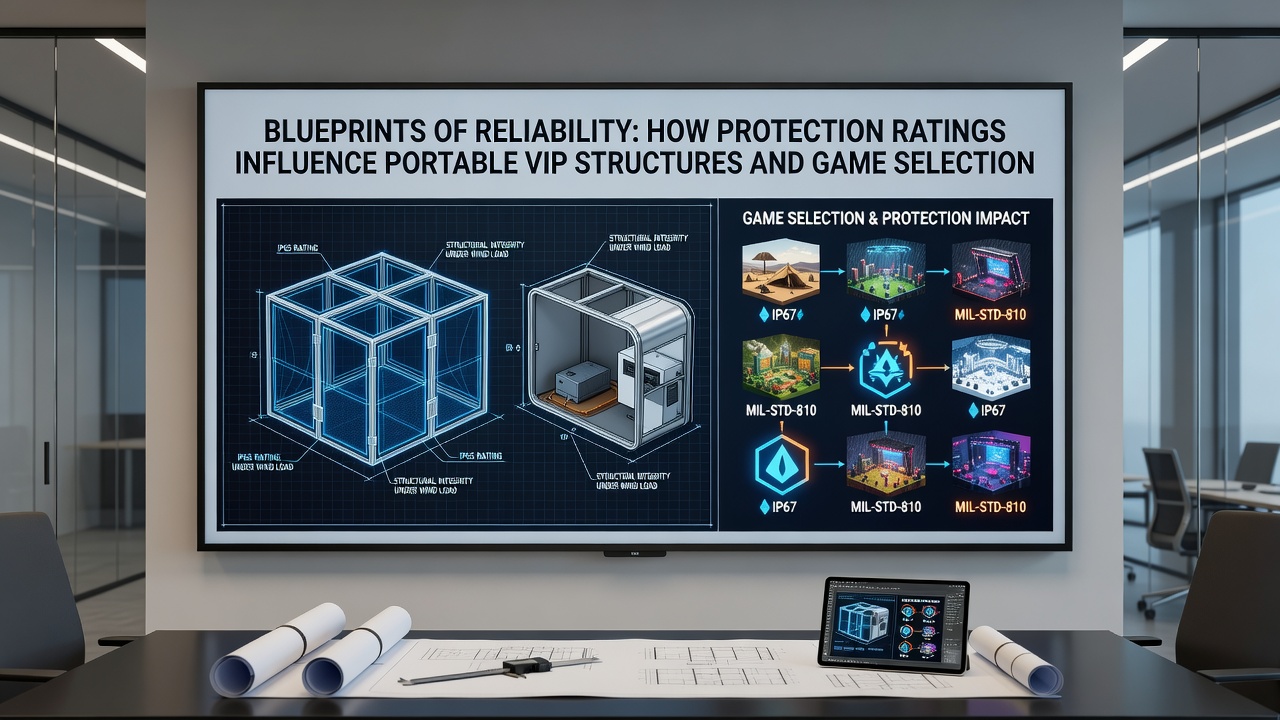
Operators monitor failure rates across different rating categories, and those tracking June 2026 deployment data observe that IP68-equipped units sustain higher engagement levels during peak travel periods. This pattern emerges because the enhanced ingress protection permits uninterrupted access to reward tracking systems and real-time balance updates, features that players in VIP tiers expect regardless of location.
Regulatory Influences on Rating Adoption
Agencies such as the Nevada Gaming Control Board publish guidelines that link device certification to protection ratings, and similar approaches appear in Canadian provincial frameworks where mobile gaming expansions require documented durability assessments. These requirements create a feedback loop in which higher-rated structures receive faster approval for expanded game catalogs, including exclusive VIP variants. Industry associations compile comparative data showing that regions enforcing stricter ingress standards report lower rates of transaction disputes stemming from connectivity loss.
Integration with Security Protocols
Protection ratings intersect with encryption standards when portable VIP structures handle financial transfers, and layered certifications ensure that both physical and digital safeguards remain intact under stress. Multi-factor authentication modules embedded in higher-rated enclosures maintain functionality after exposure events that would disable lesser-protected units. According to aggregated operational metrics, platforms combining IP67 ratings with end-to-end encryption demonstrate reduced vulnerability windows during software updates, a consideration that shapes rollout timelines for new game titles.
Future Developments in Rated Portable Systems
Manufacturers continue refining materials that achieve elevated protection levels without increasing device bulk, and testing protocols now incorporate simulated travel conditions to validate performance claims. Partnerships between hardware suppliers and gaming platforms accelerate the introduction of adaptive interfaces that scale game complexity based on verified rating compliance. Those monitoring supply chain reports note that component sourcing increasingly prioritizes certified parts, which shortens certification cycles for new portable VIP configurations.
Conclusion
Protection ratings serve as foundational specifications that guide both the physical construction of portable VIP structures and the strategic selection of compatible games, with measurable effects on reliability metrics across operating environments. Continued alignment between regulatory expectations and technical capabilities supports broader deployment of these systems while maintaining consistent access standards for users.