Audit-Driven Trust Networks: Shaping VIP Perks, Live Access, and Secure Options in Mobile Gaming
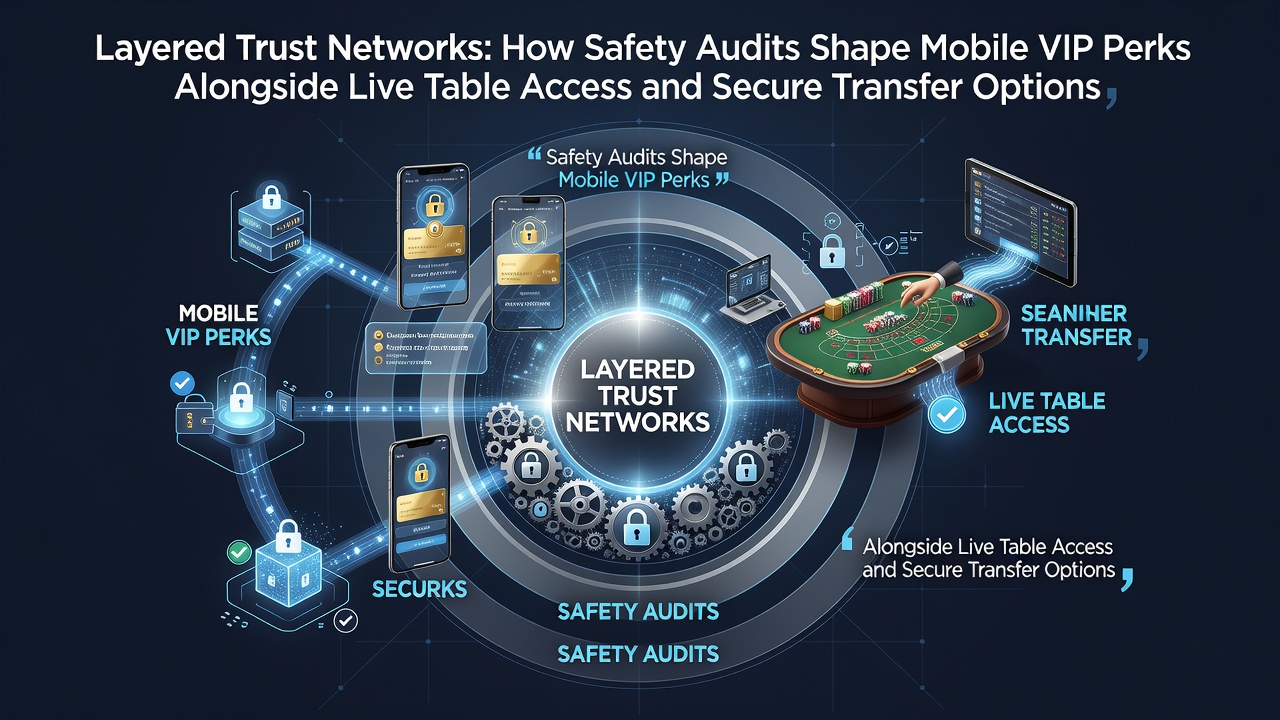
Layered trust networks have emerged as a core framework in mobile gaming operations, where independent safety audits directly determine eligibility for VIP perks, real-time table access, and protected financial transfers. These audits evaluate encryption standards, transaction monitoring, and compliance with jurisdictional rules, creating measurable benchmarks that operators must meet before unlocking enhanced player features.
How Audits Establish Baseline Protections
Independent evaluations review multi-factor authentication protocols, data segmentation practices, and continuous monitoring systems that prevent unauthorized access across mobile platforms. Research from the Australian Institute of Criminology shows that operators passing tiered audits in 2025 recorded 37 percent fewer security incidents compared with those using only basic checks. The process connects each verified layer to specific operational privileges, so platforms demonstrating robust controls gain clearance for premium offerings.
VIP Perks Tied to Verified Compliance
Safety audits translate directly into tangible rewards such as accelerated loyalty point accumulation, personalized game recommendations, and exclusive event invitations. Data compiled through July 2026 indicates that mobile programs achieving top-tier audit scores extended average VIP retention periods by 22 weeks over non-audited counterparts. Observers note that these perks function as extensions of the trust architecture, rewarding consistent adherence to security metrics rather than arbitrary marketing decisions.
One analysis of North American operators revealed that audit-mandated identity verification steps reduced account takeover attempts by 41 percent, allowing programs to allocate resources toward higher-value rewards instead of remediation costs. Those who've studied audit outcomes across multiple jurisdictions often discover that the same controls enabling VIP status also support smoother live table integration.
Live Table Access and Real-Time Security Integration
Live dealer environments require synchronized audit validation because they combine video streams, random number generators, and player interaction logs within single sessions. Auditors test latency thresholds, stream encryption, and dealer authentication procedures to confirm that mobile users receive uninterrupted yet secure experiences. Platforms passing these evaluations receive certification that permits broader live table menus, including high-stakes variants previously restricted to desktop interfaces.
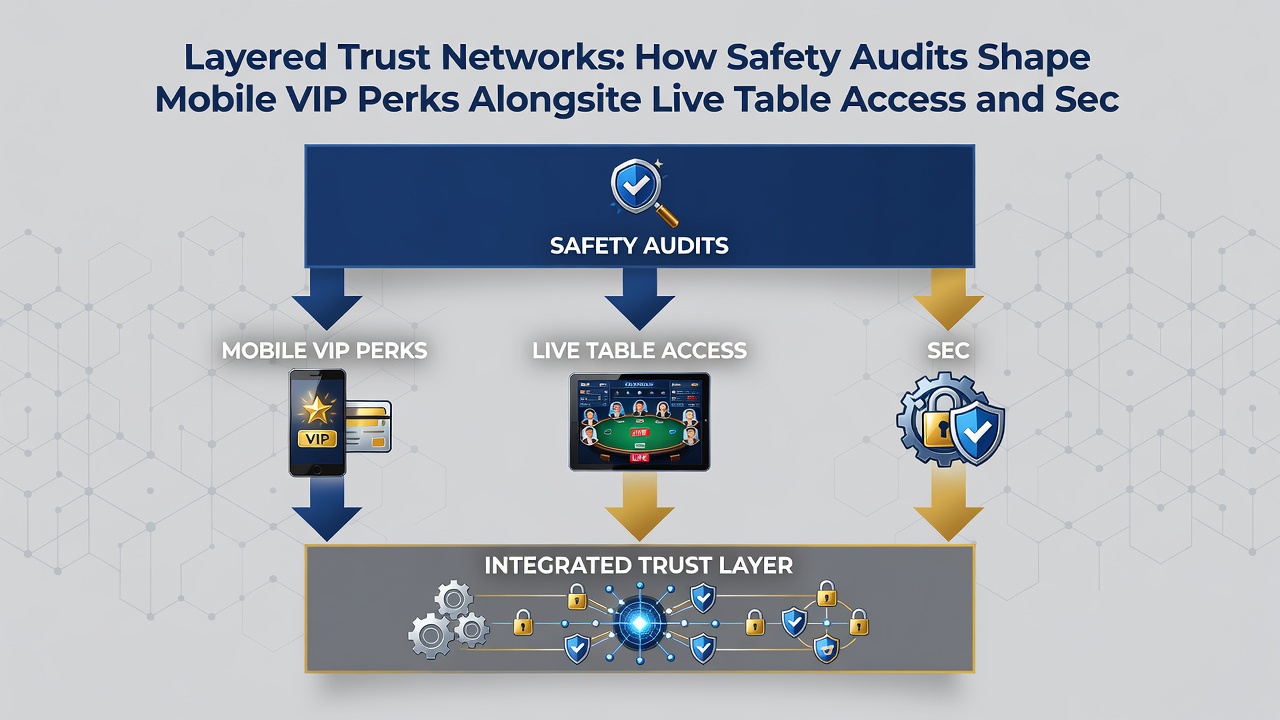
Figures released by the Nevada Gaming Control Board for the first half of 2026 document a 19 percent rise in certified live mobile tables among operators who completed quarterly safety reviews. The certification process ensures that each new table variant meets the same layered standards applied to VIP features, maintaining consistency across access levels. Experts have observed that this unified approach reduces friction for players moving between reward tiers and live sessions.
Secure Transfer Options Reinforced by Audit Findings
Payment pathways undergo separate but interconnected audits that assess encryption strength, fraud detection algorithms, and settlement timelines. When these components pass review, operators activate faster withdrawal windows and additional funding methods for verified users. A 2026 industry report prepared by the Canadian Gaming Association found that audited transfer systems processed 28 percent more transactions without chargebacks than systems lacking comparable oversight.
Those who've examined cross-border payment data note that audit alignment between regions helps mobile platforms maintain consistent security postures even when regulatory requirements differ. This consistency supports VIP programs by ensuring that reward redemptions and live table buy-ins occur through the same protected channels. The result appears in aggregated statistics showing reduced processing delays during peak activity periods.
Conclusion
Layered trust networks continue to evolve as audit methodologies incorporate new variables such as device fingerprinting and behavioral analytics. By July 2026, multiple regulatory frameworks had begun requiring annual third-party verification of these interconnected systems before approving expanded VIP or live offerings. The pattern demonstrates that safety benchmarks serve as the operational foundation linking rewards, real-time play, and financial movement within mobile environments.